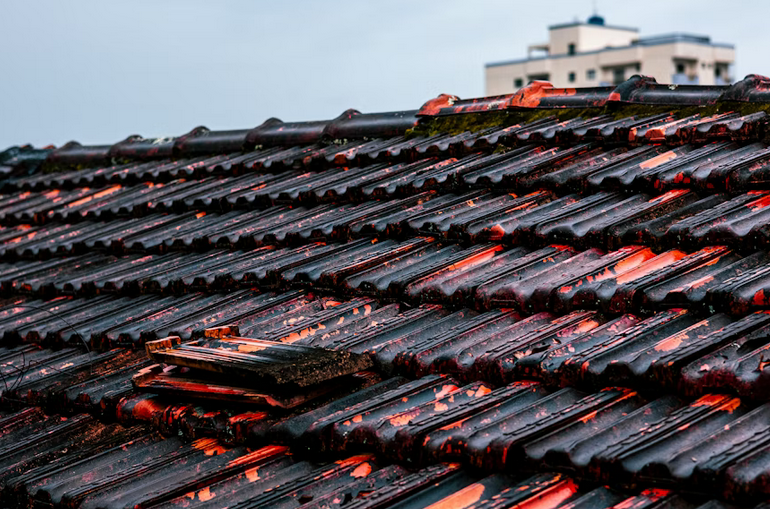
Signs of Roof Damage After a Storm
Storms can place immense stress on a roof, leading to structural damage that may not always be immediately visible. High winds, heavy rain, hail, and flying debris can compromise shingles, underlayment, flashing, and other roofing components. Identifying damage promptly is crucial, as even minor issues can escalate into costly repairs or leaks if left unattended. Homeowners should be vigilant after storms, examining both the exterior and interior of the home for telltale signs that indicate the roof may require professional inspection or repair.
Missing or Damaged Shingles

One of the most noticeable signs of storm damage is missing, cracked, or curled shingles. Strong winds can lift or tear shingles from the roof surface, while hail can cause dents or fractures that weaken their protective capabilities. Damaged shingles compromise the roof’s ability to shed water effectively, increasing the risk of leaks. Regular inspection of the roof surface, particularly after severe weather, can reveal areas that need immediate replacement or reinforcement to prevent further damage.
Water Leaks and Stains
After a storm, water entry is a blatant sign of roofing issues. Water stains on walls, ceilings, or in the attic are common signs that precipitation has gotten into the roofing system. If left unchecked, even little leaks can cause wood rot, mold development, and structural damage. If discoloration, moisture, or mold are noticed, a professional inspection should be conducted to determine the cause and fix any damaged roof areas.
Damaged Flashing and Gutters
Flashing and gutters are essential for directing water away from the roof and foundation. Storms can loosen or bend flashing around chimneys, vents, and skylights, creating gaps that allow water to seep in. Gutters may be clogged with debris, detached, or bent, reducing their effectiveness and increasing the likelihood of water damage. Checking these components after a storm helps identify hidden vulnerabilities that could lead to leaks or structural issues.
Granule Loss and Surface Wear

Asphalt shingles often contain protective granules that shield against UV rays and add durability. Storms, especially those with hail or strong winds, can strip these granules from the shingles’ surface. Excessive granule loss can shorten the roof’s lifespan and make it more susceptible to weather damage. Accumulated granules in gutters or downspouts are a visible sign that shingles may have sustained damage, signaling the need for inspection or replacement.
Structural Damage and Sagging
Severe storms may cause structural damage that is less obvious but equally serious. Sagging areas, uneven rooflines, or creaking noises can indicate weakened decking or compromised support beams. Structural damage often requires immediate professional attention to ensure the roof remains safe and functional. Detecting these issues early helps prevent more extensive repairs and maintains the integrity of the home.
Storms can leave a range of damage to a roof, from missing shingles and leaks to compromised flashing and structural issues. Homeowners should conduct thorough inspections after severe weather, looking for both visible and subtle signs of damage. Prompt identification and repair not only prevent further deterioration but also protect the home’s interior and overall value. Understanding these warning signs ensures roofs remain safe, durable, and able to withstand future storms.…

 The closing process typically begins with both you (the seller) and the buyer agreeing on a specific closing date. This date is crucial as it will be the day when ownership of the property officially transfers to the new owner. You may need to coordinate with your real estate agent, attorney, and the buyer’s representatives to choose a suitable date for all parties. Being flexible and accommodating during this stage is essential, as any delays or issues can cause unnecessary complications.

 are considered great while others are not of the best quality. You should read reviews to know some of the best brands in the market. Referrals from friends or other people can help you tell some of the best brands in the market.…